Clinician • Builder • Educator
I'm a pediatric anesthesiologist with a passion for clinical informatics — building tools that reduce friction, improve communication, and help teams deliver safer care for kids.
Pediatric anesthesiologist and clinical informaticist building tools that make care safer and workflows simpler.
I'm Dr. Scott Licata — a pediatric anesthesiologist at UPMC Children's Hospital of Pittsburgh and a Clinical Associate Professor. I work at the intersection of perioperative safety, education, transplant anesthesia, and clinical informatics, with a focus on building practical systems clinicians actually use.
Tools and ideas focused on reliability, safety, and real-world usability.
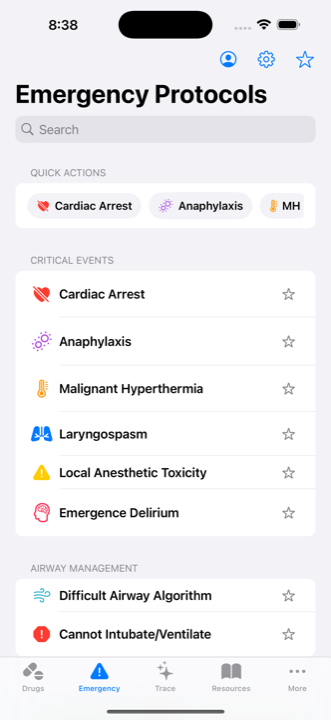
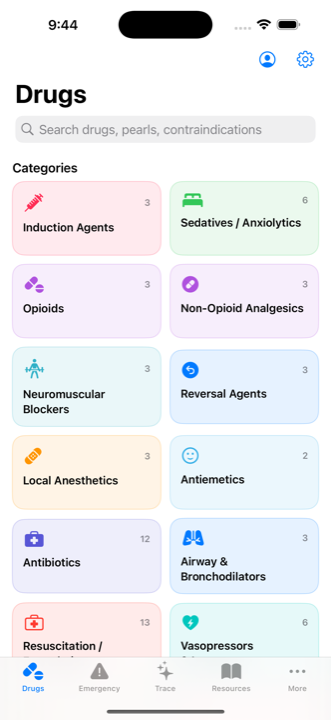
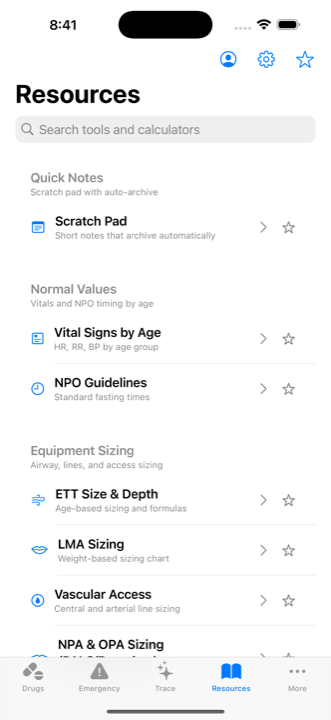
A pediatric anesthesia reference and calculator suite designed for fast, safe decisions in the OR.
Download on the App Store →
An AI-powered assistant that supports families preoperatively with customized, policy-based answers.
A web app that calculates CDC-compliant catch-up vaccination schedules for kids who missed routine immunizations.
Improves real-time coordination between transplant surgery, anesthesia, and nursing teams during donor organ procurement.
A lightweight, practical labeling tool to reduce medication errors and streamline OR setup.
High-signal clinical integration, data quality, and practical automation that respects clinician time.
Now on the App Store
A pediatric anesthesia reference and calculator toolkit built for speed, clarity, and safety — whether you're in the OR, pre-op, or PACU.
Drug reference, emergency protocols, and bedside calculators — built for iPhone and iPad.
My research explores innovations in perioperative safety, anesthetic technique, and the intersection of AI and clinical workflows.
Evaluating chatbot-guided education to improve understanding and reduce family anxiety.
Studying processes and metrics that improve coordination and outcomes in pediatric transplantation.
Developing practical protocols for high-stakes situations, including pediatric mass casualty readiness.
Interested in collaboration, speaking, or building a clinician-friendly tool together? I'd love to hear from you.